Te Upoko-o-te-Ika and Kapiti
A continued legacy.
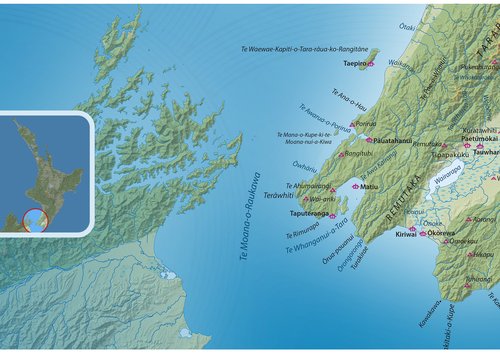
Hero image: Te Ika-a-Māui map [screenshot]. Retrieved from the Toitū Te Whenua Land Information New Zealand website, in 2025.
From Waitapu to Rangataua, from Miria te Kakara to Whitireia, across Te Moana o Raukawa to Wairau and Whakatū.
This region is home to many waka who have settled here, the voices heard in these titles echo the traditions of Tokomaru, Kurahaupō, Aotea, Tainui and others.
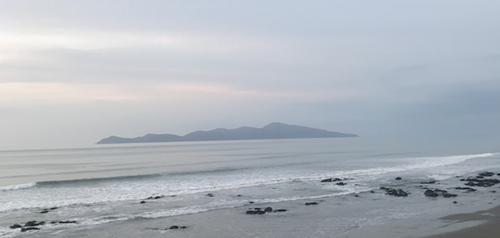
Kāpiti Island. Photo by Patariki Grace, 2025.
Iwi: Ngāti Toa Rangatira, Ngāti Koata, Ngāti Raukawa
Te Ōuenuku was a descendant from the chiefly lines of Ngāti Toa Rangatira. An advocate for his iwi and Māori, he continued the legacy of his ancestors.
In 1972, he led the masses to the steps of Parliament, delivering the Māori language petition.
The Migration South
Listen here as Te Ōuenuku speaks of the migration of Ngāti Toa Rangatira from Kāwhia to Te Upoko-o-te-Ika, and the battles of Āmio Whenua, Haowhenua, and Waiorua/Whakapaetai that took place.
● He mokopuna ahau nā… / I am a grandchild of …
● He kōrero noa ake tēnei / This is a story …
● tērā te hohounga rongo / that was the peace-making process
● pakangangia / fought
● kare kau ana / none
● ka pahemo mai i reira / left there
● i haere tahi mai ai / also came
● haeretanga mai / arrival
● tētehi / a (singular)
● kaipuke / boat
● he rite ētehi o ngā kōrero ki ērā o Waikato, pēnei i ‘kare kau ana’ / some similarities with Waikato speakers, for example, ‘kare kau ana’
Collection Reference: TZP7115. Year: 1988. Credit: TVNZ.
Iwi: Ngāti Koata; Ngāti Toa Rangatira
An expert navigator, Turi carried a wealth of knowledge passed down through generations.
In this video Turi and a group of elders are seen traveling by boat to explore local settlement sites and islands around the top of the South Island.
Watch as Turi shares his iwi’s history and stories, keeping their legacy alive.
Turi talks about the connection between Ngāti Toa Rangatira and Koata, through the genealogy of Te Rauparaha, and some of the controversial topics between the iwi during these times.
Tūtepourangi and Te Waihaere, chiefs of the Rangitāne and Ngāti Kuia tribes respectively, lead the plans of their iwi to attack Ngāti Toa and Ngāti Koata on the island of Kāpiti.
Turi also speaks of those who left their families to migrate to the South Island.
Turi discusses the arrival of Rangitāne and Ngāti Kuia to Kāpiti in the night, and the volley of gunfire from the local residents.
He also explains the term ‘Pākehā’.
● nā te wahine tuarua … / it was the second wife …
● he whanaunga tonu rātou / they were related
● te wāhi i haere rā rātou / the place they went
● atiati / expel
● i ahu mai rā ēnei iwi … / these people come from …
● tētehi taha / one side
● haere whēnā / go that way
● tonongia / request
● kirimā / Pākehā / European / Non-Māori
● ka kīngia au / I was called
● puhipuhingia ngā tūpara / muskets were fired
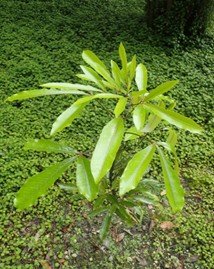
The raukawa plant. Photo by Krzysztof Ziarnek, Kenraiz - Own work, CC BY-SA 4.0.
Iwi: Ngāti Raukawa ki te Tonga
An industrious man, an elder, and leader. Tira Te Putu grew up in the Waikato and Bay of Plenty regions, before eventually moving to Ōtaki, where his parents were from. His main marae was situated at Ōhau, between Levin and Ōtaki.
Tira explains the protocols of Ngāti Raukawa, focusing on pōwhiri customs. He describes how people are positioned throughout the process, and the reasons behind this. For example, whether to sit on the left or right, or how manuhiri face tangata whenua. There are many considerations regarding where each group sits during a pōwhiri.
Tira explains the discussions that took place between Tāwhiao, who journeyed to Taranaki in the 1860s, and Te Whiti and Tohu. Tāwhiao explained his take on the issues of the time before he and his iwi returned to Waikato.
● nō reira / thus
● tū mai, tū atu / alternating speeches
● wero mai, wero atu / alternating challenges
● ētehi / some
● kei huri mauī koe / you might turn left
● kōrapa / flinch / turn left
● taha kaha / right hand side
● te ope haere atu / the oncoming group
● koiraka / that is
● koparahi / floor space and corner on the left on entering a meeting house
● rāneki / or
● mahue ake neki / left her behind
● tēneki / this
● ka utua / responded
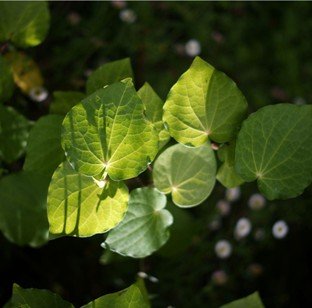
An image of kawakawa leaves by Iris Wood on Unsplash.
Iwi: Ngāti Raukawa, Ngāti Tūwharetoa, Ngāti Maniapoto
An expert and practitioner of traditional Māori medicines from the natural environment, Rangiamohia grew up amongst her elders in the Manawatū and Rangitīkei regions. She was the daughter of Kereama Te Ngako and Te Waitauhi of Ngāti Raukawa. Their village was Te Tārehu.
Rangiamohia talks about an injury she once had. Although she was examined and treated by a doctor, she reverted to traditional Māori medicine. She says that it became itchy and she sent the children to fetch a plant that was then boiled and used as a rongoā.
Another injury led to a long stay in hospital. Once discharged, traditional Māori medicine was used immediately after the hospital plaster was removed.
Listen to the entire taonga here
Collection Reference: 43835
Year: 1985
Credit: RNZ; Parata, Rangiamohia
● ngaoko / itchy
● herengia / tied onto
● ngā mātou tamariki / our children
● ētehi / some
● kōhuangia / boil
● tangongia / take off
● ā rātou nei mea / their things
● he rite ētehi o ngā kōrero ki ērā o Waikato, pēnei i ‘ngā mātou tamariki’ / some similarities with Waikato speakers, for example, ‘our children.’